Tuesday, September 30, 2008

Russian Constructivism

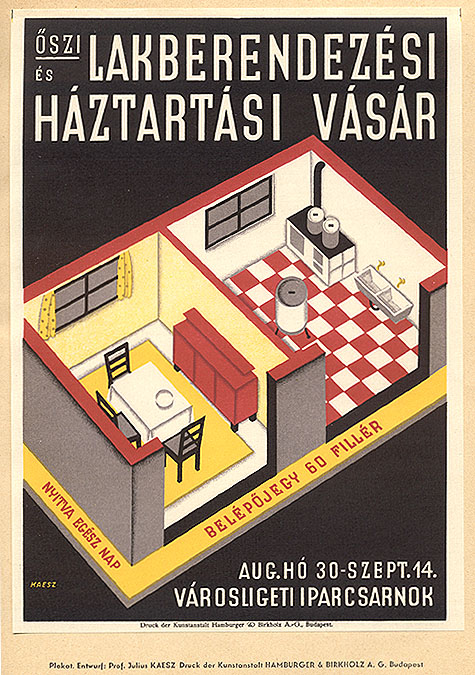
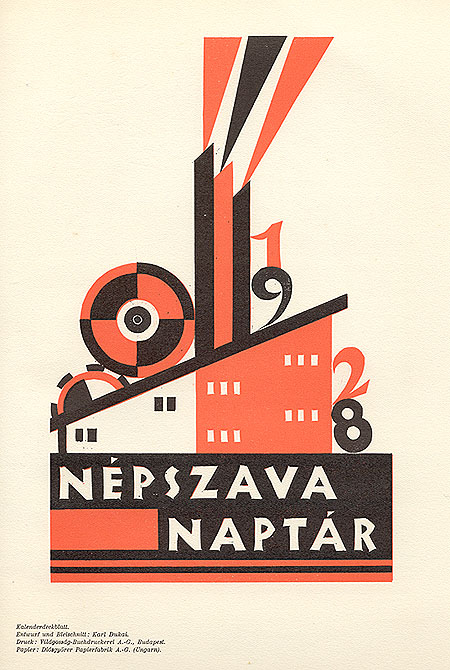
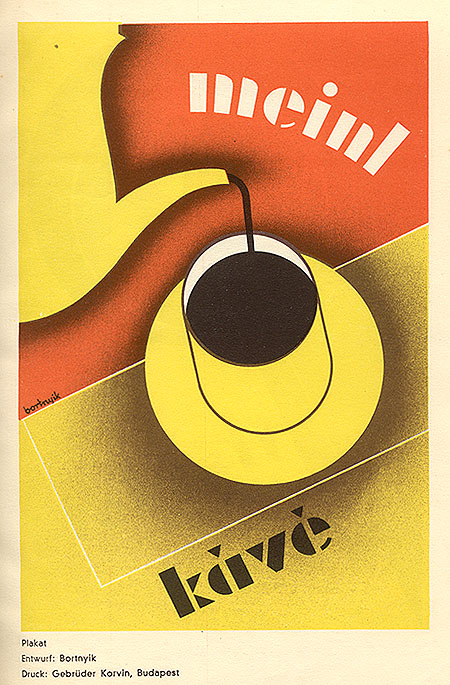
I found this website showcasing one of my favorite design movements, Russian Constructivism (correct me if it is actually another -ism, they aren't labeled but I'm pretty sure). Design 1- Design 8 shows a bunch of examples. Constructivist design is based very heavily on geometric shapes, as well as the use of angled figures and typography to create movement in the composition. This was a huge breakthrough in design at the time, because static text and realistic images were replaced with flat and very expressive geometric-based compositions.
Sunday, September 28, 2008

The Divine Proportion and DESIGN!


This is continuation from my last comment about the Divine Proportion. I found out that the design process should also follow this "natural language". The Golden Section, or the Divine Proportion is a visual representation of a number called Phi. Phi is a number produced by bisecting a line at a particular point (see above.) Phi is 1.618033988749895, or by the numerical sequence called the Fibonacci sequence. If you use the Divine Proportions in creating your compositions it will improve the communication of the design. I think an example would be paper. Anyone want to figure that one out?


New Technology! touch screen and intuitive keyboards.

Baman vs. Piderman


This video doesn't have much to do with Math but it is full of epic artness check it out!

paper folding architecture

I stumbled upon this website about using geometry to fold paper into architectural forms. Here is a quote from the page about how they were created:
The original form was generated by radiating the hexagonal grid of a geodesic sphere and trimming the resultant surfaces with an inner and outer cube. The resulting network of cells gives the impression of a sphere caught within a cube.

http://roryhyde.com/pavilion.htm

Friday, September 26, 2008

tessellations

http://www.mathpuzzle.com/Tessel.htm
this website classifies different types of tessellations. it also gives examples of translation, rotation and reflection.

Thursday, September 25, 2008

Math can even make things absurd.

http://www.alaska.net/~clund/e_djublonskopf/Flatearthsociety.htm